Sublimation Paper
A Guide to Choosing the Best Sublimation Paper
Sublimation paper is a specialized transfer paper that plays a crucial role in the sublimation process. It is specifically designed with a unique coating that holds the printed sublimation ink on the surface, allowing it to turn into a gas and transfer to a blank material under heat and pressure. Choosing the right type of paper is just as important as choosing the right printer, as it directly impacts the vibrancy, sharpness, and overall quality of your final product.
There are a few key types of sublimation paper available, each with its own advantages and ideal uses.
1. Standard Sublimation Paper
This is the most common type of sublimation paper, perfect for general-purpose use. It has a smooth, non-adhesive surface and is a great all-around option for both hard and soft surfaces.
- Best for: Beginners, and a wide variety of projects, including mugs, tumblers, coasters, metal blanks, and 100% polyester t-shirts.
- Pros: Versatile, widely available, and generally the most affordable option.
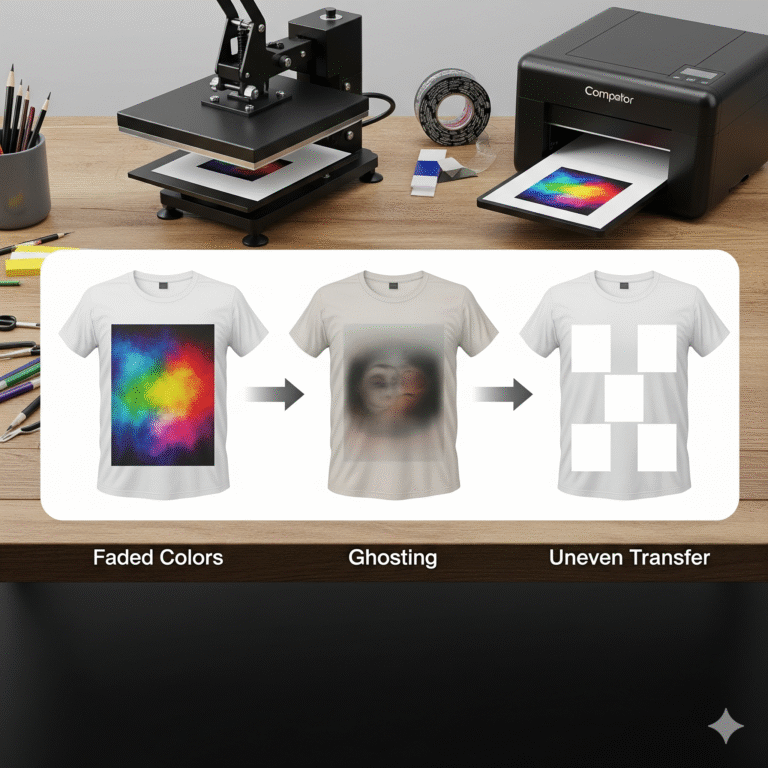
- Cons: Can be prone to “ghosting” or “shifting” if the paper moves during the heat press process, especially with stretchy fabrics.
2. Tacky Sublimation Paper
Also known as sticky sublimation paper, this paper has a light, heat-activated adhesive coating on its surface. When heated, the paper slightly adheres to the fabric or blank, preventing any movement during the pressing process.
- Best for: Stretchable fabrics, such as athletic wear, swimwear, or anything with a high spandex content. It is also excellent for items with curves, like mugs and tumblers, to prevent the design from shifting.
- Pros: Dramatically reduces the risk of ghosting and misaligned prints, leading to a higher success rate for complex projects.
- Cons: Tends to be more expensive than standard paper. The adhesive can sometimes leave a residue on certain materials, although this is rare with high-quality brands.
3. Fast-Drying Sublimation Paper
This paper is engineered with a special coating that allows the ink to dry almost instantly after printing. It’s designed to prevent smudging and bleeding, making it ideal for high-speed, high-volume production.
- Best for: Commercial printers or crafters doing a large number of prints in a short amount of time. It is especially useful for printers that have a higher ink output to avoid smearing.
- Pros: Minimizes drying time, improves workflow efficiency, and reduces the chance of smudges.
- Cons: Not necessary for hobbyists or those doing small batch printing, as the quick drying time may not be a significant benefit.
What Makes a Sublimation Paper “Best”?
The “best” sublimation paper depends entirely on your project and your personal preferences. However, you can evaluate paper quality based on a few key factors:
- GSM (Grams per Square Meter): This is a measure of the paper’s weight and thickness.
- Lighter papers (around 100-105 GSM) are typically good for light to medium ink coverage and feed easily through most printers.
- Heavier papers (120 GSM and above) are better for designs with high ink saturation, such as full-color photos, as they can hold more ink without buckling or bleeding.
- Transfer Rate: This refers to the percentage of ink that is successfully released from the paper onto the blank. A high transfer rate (95% or more) means you’ll get the most vibrant and accurate colors with minimal ink waste. You can often tell a paper has a good transfer rate by how little ink is left on the paper after pressing.
- Brand Reputation: Stick to well-known sublimation paper brands that are trusted by the crafting community. Some of the most popular brands that consistently receive high ratings for color vibrancy, ease of use, and reliability include A-SUB, Printers Jack, HTVRONT, and Hiipoo.
Final Recommendations
- For Beginners & General Use: Start with a standard sublimation paper from a reputable brand like A-SUB. It’s affordable, versatile, and will work well for most of your early projects on both hard and soft surfaces.
- For Fabrics & Apparel: If you plan on sublimating on a lot of t-shirts or stretchy materials, invest in a tacky sublimation paper. It will save you from the frustration of ghosting and give you professional-looking results every time.
Ultimately, the best way to find your favorite paper is to try a few different brands and types to see which one works best with your specific printer, heat press, and the materials you most frequently use.